


 Republican
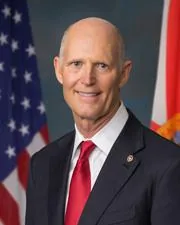
Rick Scott
Rank #11United States Senator from Florida and former 45th Governor of Florida (2011–2019). Co-founder of Columbia Hospital Corporation (which became healthcare giant Columbia/HCA), private equity investor, and the wealthiest sitting member of the United States Senate.
~$300.0M Senate Office of Public Records (Form OGE-278)
Statutory pay (consistently donated or declined)
17 centuries of public pay
1,555× median US family net worth
Where Rick Scott Stands: Core Political Positions
Key legislative priorities and core political philosophy across major policy domains:
- • 12-Point Rescue America Plan: Authored the prominent 12-point economic agenda proposing strict caps on federal discretionary spending and periodic sunset reviews for federal programs.
- • Balanced Budget Amendment: Champions a constitutional amendment requiring a balanced federal budget and supermajority congressional approval for any federal tax hikes.
Enforces fiscal austerity to curb runaway national debt and lower long-term inflation.
Critics contend mandatory sunsetting jeopardizes Medicare and Social Security funding guarantees.
- • Florida Low-Tax Blueprint: As Governor, cut Florida taxes over 100 times, repealing business commercial rental sales taxes and eliminating state income tax burdens.
- • Reshoring Manufacturing: Advocates full expensing for domestic capital investments and tariff protections against non-market Chinese pharmaceutical imports.
Attracted over 1.5 million private-sector jobs to Florida and catalyzed massive corporate migrations.
Leaves municipal public school systems and urban infrastructure reliant on regressive local sales taxes.
- • Supply Chain Decoupling: Introduced legislation banning federal procurement of critical minerals, drones, and medical supplies produced by Chinese Communist Party military affiliates.
- • Naval Readiness: Advocates expanding naval shipyard construction to counter Pacific maritime buildup and safeguard international navigation corridors.
Protects sensitive domestic defense infrastructure and secures essential pharmaceutical raw materials.
Aggressive trade embargoes risk retaliatory agriculture tariffs harming American grain exporters.
- • Federal Block Grants: Authored bipartisan disaster recovery tax relief acts ensuring accelerated casualty loss deductions for Florida hurricane victims.
- • Mitigation Investments: Secured major federal Army Corps of Engineers funding to reinforce Lake Okeechobee dikes and restore Everglades water flow.
Provides vital emergency relief funds to rebuild Florida communities after Category 4 and 5 hurricanes.
Rising global climate risks continue to drive catastrophic private property insurance rate hikes in Florida.
Disclosed Asset Portfolio Breakdown
High-level asset allocation compiled from official public financial disclosure filings (Senate Office of Public Records (Form OGE-278)):
Columbia/HCA & Richard L. Scott Investments
Multimillion-dollar private equity holdings, healthcare logistics shares, and venture capital originated from building Columbia Hospital Corporation into Columbia/HCA.
Naples Beachfront Compound & Ranch Acreage
Palatial Gulf-front estate in Naples, Florida, alongside extensive agricultural and timber ranch holdings across Florida and Montana.
State & Municipal Tax-Exempt Bonds
Substantial portfolio of tax-free municipal bonds, sovereign treasury securities, and institutional liquid cash funds.
Qualified Blind Trust Liquid Assets
Diversified public equities, corporate notes, and private investment partnerships managed under qualified blind trust agreements to prevent ethical conflicts.
The STOCK Act & The Congressional Trading Controversy
Why do congressional wealth disclosures and stock portfolios make global headlines? The answer lies at the intersection of constitutional ethics, insider access, and a federal law known as the STOCK Act.
What the Law Requires
Signed by President Obama, the Stop Trading on Congressional Knowledge Act made it explicitly illegal for lawmakers to profit from non-public information learned on the job, mandating public disclosure of all stock trades over $1,000 within 45 days.
Why Critics Cry Foul
Lawmakers receive classified intelligence briefings, direct testimony from CEOs, and advance notice of regulatory subsidies. Retail traders argue sitting members of Congress possess an unfair structural advantage in capital markets.
Blind Trusts vs. Banning Stocks
Public outcry over timely stock trades has spurred bipartisan support for proposals like the ETHICS Act, seeking to legally ban all sitting members of Congress and spouses from owning or trading individual equities while holding federal office.
Can Politicians Pocket Campaign Donations? Understanding FEC Law
A widespread public misconception is that politicians get rich from campaign contributions. Federal election law strictly separates political campaign warchests from personal household bank accounts.
~$300.0M Disclosed Personal Wealth
Earned through private business enterprise, executive compensation, real estate appreciation, and market investments. Every dollar is subject to personal federal, state, and capital gains taxes.
Regulated Political Committee Funds
Official campaign funds raised from donors to finance advertising, field staff, and voter turnout operations. Regulated under strict Federal Election Commission guidelines.
The Senate Dilemma: Sustaining the Sunshine State Boom Amid Climate & Insurance Shocks
Florida is America's third most populous state, driven by massive domestic in-migration, booming aerospace and tourism corridors, international trade, and an aging retiree population.
No state personal income tax attracts thousands of high-earning professionals and retirees daily, fueling real estate and construction sectors.
Increasingly severe hurricane seasons have pushed private homeowners insurance premiums to record highs, straining middle-class coastal affordability.
Key Milestones: Rick Scott's Political Career
Chronological milestones across public office and private enterprise:
Enlisted in the United States Navy
Serves active duty in the U.S. Navy as a radar technician aboard the USS Glover (FF-1098), using the G.I. Bill for college.
Law Degree from SMU Dedman School of Law
Graduates with a JD from Southern Methodist University, practicing healthcare and corporate law at Johnson & Gibbs in Dallas.
Co-Founded Columbia Hospital Corporation
Co-founds Columbia Hospital Corp with two Texas facilities, rapidly acquiring hospitals to merge with HCA in 1994, forming the world's largest hospital network.
Elected 45th Governor of Florida
Runs as an outsider conservative businessman on a 'Let's Get to Work' platform, self-funding his campaign to win the governorship.
Re-Elected Florida Governor
Wins a hard-fought second term, presiding over the creation of 1.5 million private sector jobs and major corporate tax cuts.
Elected to the United States Senate
Defeats three-term incumbent Democrat Bill Nelson in one of the closest Senate races in modern Florida history.
NRSC Chairman & Senate Leadership Bid
Chairs the National Republican Senatorial Committee and mounts a high-profile conservative challenge for Senate Republican leadership.
Re-Elected to the U.S. Senate
Wins re-election by over 13 percentage points, securing a commanding second Senate term as Florida's senior senator.
How Does Rick Scott Compare to Other Wealthy Leaders?
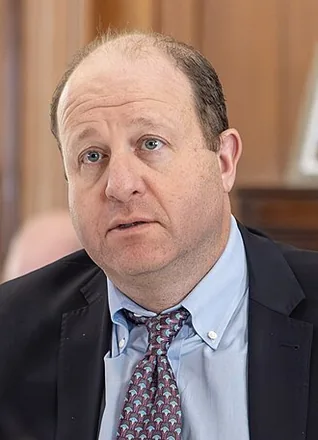
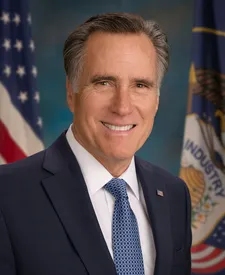
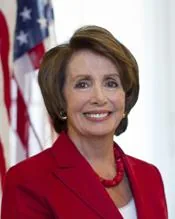
Rick Scott sits at rank #11 in the 119th Congress, directly flanked by closest wealth peers across the legislature. View full United States leaderboard
| Rank | Lawmaker | Disclosed Net Worth |
|---|---|---|
| #9 |

Republican
|
$460,000,000
USD
|
| #10 |
Democrat
|
$400,000,000
USD
|
| #11 |
Rick Scott (FL)
Republican
|
$300,000,000
USD
|
| #12 |
Republican
|
$250,000,000
USD
|
| #13 |
Democrat
|
$240,000,000
USD
|
Can you deduce today's mystery lawmaker?
Every day, Worthle features a new mystery politician. Unlock clues about their salary, investments, and disclosed net worth to guess their identity and discover how public leaders build wealth.
Frequently Asked Questions: Rick Scott's Net Worth
What is Rick Scott's net worth in 2026?
Rick Scott has an estimated net worth of $300,000,000 (~$300 Million), ranking #11 in the U.S. Congress and making him the single wealthiest sitting member of the United States Senate. His wealth originates from founding Columbia Hospital Corporation (which became Columbia/HCA) and subsequent private equity investments through Richard L. Scott Investments.
Does Rick Scott take a salary as a U.S. Senator?
While the statutory salary for a U.S. Senator is $174,000 per year, Rick Scott has consistently declined or donated his public salary to charitable foundations throughout his time as Florida Governor and U.S. Senator.
How did Rick Scott make his fortune?
Rick Scott built his wealth as a healthcare entrepreneur. In 1987, he co-founded Columbia Hospital Corporation with two hospitals in Texas and aggressively acquired regional facilities, culminating in a merger with Hospital Corporation of America (HCA) in 1994 to form the largest for-profit hospital operator in the world.
What assets are disclosed in Rick Scott's Senate ethics filings?
Under the Ethics in Government Act, Senator Scott files multi-volume annual financial disclosures detailing extensive private equity investments, municipal bonds, corporate holdings in family trusts, and multi-million-dollar beachfront residential property in Naples, Florida, with major assets managed via qualified blind trusts.
Explore More United States Lawmaker Wealth Dossiers
View All →
Explore the Full Legislative Wealth Rankings
Discover how other prominent leaders compare across the national proximity index.