


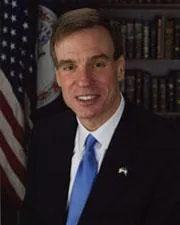
 Democrat
Mark R. Warner
Rank #14United States Senator from Virginia. Venture capital pioneer who co-founded Nextel, former Governor of Virginia, and longtime Chairman of the Senate Select Committee on Intelligence.
~$210.7M Form OGE-278
Statutory pay since 2009
12 centuries of public pay
1,092× median US family
Where Mark R. Warner Stands: Core Political Positions
Key legislative priorities and core political philosophy across major policy domains:
- • CHIPS and Science Act: Chief co-author of the landmark $52B CHIPS Act, securing federal subsidies to reshore semiconductor microelectronics manufacturing to the United States.
- • Critical Infrastructure Cyber Mandates: Passed legislation requiring critical infrastructure operators to report cyberattacks to CISA within 72 hours and ransomware payments within 24 hours.
Secures essential defense microelectronics and dramatically modernizes American cyber defense readiness.
Federal industrial subsidies risk market distortion and heavy regulatory compliance burdens on private software firms.
- • Universal High-Speed Internet: Negotiated the $65B broadband deployment provisions in the Bipartisan Infrastructure Law, targeting unserved rural Appalachian counties.
- • Physical Asset Recapitalization: Secured dedicated billions for the Washington Metro system (WMATA), Port of Virginia dredging, and interstate corridor widenings.
Bridges the digital divide in rural regions and secures Virginia's status as a top global shipping and data center hub.
Massive federal outlays contributed to inflation risks and increased national debt liabilities.
- • Gang of Six Deficit Reduction: Longtime leader of bipartisan fiscal coalitions advocating balanced approaches of revenue increases paired with entitlement spending adjustments.
- • Government Modernization: Pioneered the DATA Act to bring open-source, machine-readable transparency to all federal spending and contract procurement.
Offers rare pragmatic bipartisan solutions to address the multi-trillion dollar structural federal debt.
Progressives criticize proposed entitlement adjustments, while conservative hardliners oppose any tax revenue increases.
- • Portable Benefits Framework: Introduced pioneering federal frameworks enabling gig workers and contractors to accrue portable healthcare and retirement benefits across employers.
- • AI Workforce Retraining: Advocates federal tax credits for employer-sponsored technical apprenticeships and AI-displacement reskilling programs.
Modernizes obsolete 20th-century labor safety nets to reflect the flexible realities of the modern gig economy.
Corporate platforms resist payroll benefit contributions, while labor unions prefer strict traditional employee classifications.
Disclosed Asset Portfolio Breakdown
High-level asset allocation compiled from official public financial disclosure filings (Form OGE-278):
Columbia Capital & Cellular Investments
Wealth foundation established as co-founder of venture capital powerhouse Columbia Capital and an early investor in cellular carrier Nextel Communications.
Venture & Buyout Fund Placements
Passive LP stakes in elite institutional venture capital, cybersecurity funds, and buyout partnerships managed under strict independent trustee oversight.
Virginia Real Estate & Vineyards
Substantial residential and commercial real estate in Northern Virginia, complemented by a commercial Rappahannock County vineyard producing Virginia wines.
Municipal Bonds & Treasury Securities
Extensive conservative holdings in tax-exempt municipal bonds, sovereign notes, and liquid institutional deposit facilities.
The STOCK Act & The Congressional Trading Controversy
Why do congressional wealth disclosures and stock portfolios make global headlines? The answer lies at the intersection of constitutional ethics, insider access, and a federal law known as the STOCK Act.
What the Law Requires
Signed by President Obama, the Stop Trading on Congressional Knowledge Act made it explicitly illegal for lawmakers to profit from non-public information learned on the job, mandating public disclosure of all stock trades over $1,000 within 45 days.
Why Critics Cry Foul
Lawmakers receive classified intelligence briefings, direct testimony from CEOs, and advance notice of regulatory subsidies. Retail traders argue sitting members of Congress possess an unfair structural advantage in capital markets.
Blind Trusts vs. Banning Stocks
Public outcry over timely stock trades has spurred bipartisan support for proposals like the ETHICS Act, seeking to legally ban all sitting members of Congress and spouses from owning or trading individual equities while holding federal office.
Can Politicians Pocket Campaign Donations? Understanding FEC Law
A widespread public misconception is that politicians get rich from campaign contributions. Federal election law strictly separates political campaign warchests from personal household bank accounts.
~$210.7M Disclosed Personal Wealth
Earned through private business enterprise, executive compensation, real estate appreciation, and market investments. Every dollar is subject to personal federal, state, and capital gains taxes.
Regulated Political Committee Funds
Official campaign funds raised from donors to finance advertising, field staff, and voter turnout operations. Regulated under strict Federal Election Commission guidelines.
The Senate Dilemma: Bridging Northern Virginia and Rural Appalachia
Virginia features two contrasting economic engines: the defense and data center powerhouse of Northern Virginia, and the agricultural and coal-transition communities of the south and west.
Northern Virginia hosts the world's highest concentration of data centers (Data Center Alley) and top defense intelligence contractors (Pentagon corridor).
Former coal communities in the Appalachian coalfields navigate hospital closures, broadband deficits, and the need for industrial replacement jobs.
Key Milestones: Mark R. Warner's Political Career
Chronological milestones across public office and private enterprise:
Co-Founded Columbia Capital
Co-founded venture capital firm Columbia Capital, making early high-conviction bets on cellular communications and co-founding Nextel.
Challenged Senator John Warner
Ran a spirited challenge against long-serving Republican Senator John Warner, establishing statewide grassroots credibility across rural counties.
Elected 68th Governor of Virginia
Elected Governor of Virginia by building a coalition in rural and suburban regions, subsequently turning a severe state deficit into a multi-billion dollar surplus.
National Governors Association Chair
Chaired the National Governors Association, earning national praise for education and fiscal reforms that ranked Virginia as the best-managed state in America.
Elected to the United States Senate
Won election to the U.S. Senate by a 31-point margin, succeeding retiring Senator John Warner and becoming a central broker on fiscal and intelligence matters.
Chairs Senate Intelligence Committee
Became Chairman of the Senate Select Committee on Intelligence, guiding classified briefings and bipartisan policy on foreign espionage, AI, and cyber warfare.
Passage of the CHIPS Act
Secured the enactment of the CHIPS and Science Act, culmination of years of legislative work to protect American semiconductor sovereignty.
Fourth-Term Senior Statesman
Serves as Virginia's senior senator in the 119th Congress, maintaining high bipartisan influence and consistent ranking as the wealthiest Democrat in the Senate.
How Does Mark R. Warner Compare to Other Wealthy Leaders?
Mark R. Warner sits at rank #14 in the 119th Congress, directly flanked by closest wealth peers across the legislature. View full United States leaderboard
| Rank | Lawmaker | Disclosed Net Worth |
|---|---|---|
| #12 |
Republican
|
$250,000,000
USD
|
| #13 |
Democrat
|
$240,000,000
USD
|
| #14 |
Mark R. Warner (VA)
Democrat
|
$215,000,000
USD
|
| #15 |
Democrat
|
$207,890,389
USD
|
| #16 |
Democrat
|
$199,172,093
USD
|
Can you deduce today's mystery lawmaker?
Every day, Worthle features a new mystery politician. Unlock clues about their salary, investments, and disclosed net worth to guess their identity and discover how public leaders build wealth.
Frequently Asked Questions: Mark R. Warner's Net Worth
What is Mark Warner's net worth in 2026?
Mark Warner has an exact disclosed minimum net worth of $210,690,405 (~$210.7 Million) according to official federal financial disclosure reports (Form OGE-278), ranking him #8 overall in the 119th Congress and the wealthiest Democrat in the U.S. Senate.
How did Mark Warner make his money?
Mark Warner built his fortune before entering elective politics as a venture capital investor, co-founding Columbia Capital and making early investments in the telecom sector, notably co-founding cellular pioneer Nextel.
What is Mark Warner's salary as a U.S. Senator?
As a United States Senator, Mark Warner receives the standard annual statutory salary of $174,000.
How does Mark Warner's wealth compare to everyday Americans?
Mark Warner's disclosed net worth of $210.7M is over 1,092 times greater than the median American household net worth ($192,900) and represents over 1,211 years of statutory Senate salary.
Explore More United States Lawmaker Wealth Dossiers
View All →
Explore the Full Legislative Wealth Rankings
Discover how other prominent leaders compare across the national proximity index.