


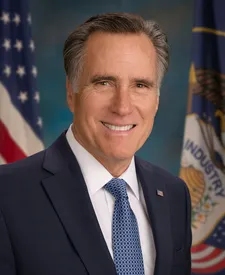
 Republican
Mitt Romney
Rank #12Former United States Senator from Utah (2019–2025), 70th Governor of Massachusetts (2003–2007), and 2012 Republican presidential nominee. Co-founder and CEO of private equity powerhouse Bain Capital and CEO of the 2002 Salt Lake City Winter Olympics.
~$250.0M Senate Office of Public Records (Form OGE-278)
Statutory senatorial salary during congressional service
14 centuries of statutory senatorial pay
1,296× median US family net worth
Where Mitt Romney Stands: Core Political Positions
Key legislative priorities and core political philosophy across major policy domains:
- • Infrastructure Architect: Key leader and negotiator of the historic $1.2 trillion Bipartisan Infrastructure Law, directing billions to Western water, grid, and highway modernization.
- • TRUST Act: Authored the bipartisan TRUST Act to create dedicated congressional rescue committees to safeguard endangered federal trust funds including Social Security and Medicare.
Delivers monumental hard infrastructure investment without partisan legislative gridlock.
Conservative hardliners objected to increased federal spending allocations outside regular appropriations.
- • Venture Growth Model: Advocates the Bain Capital investment model, directing growth private equity to scale iconic American companies like Staples, Domino's, and Sports Authority.
- • Capital Gains Rates: Champions competitive long-term capital gains tax rates to incentivize venture risk-taking and corporate turnaround investments.
Generated thousands of American private-sector jobs and superior returns for public pension funds.
Corporate critics scrutinize leveraged buyout debt burdens and workforce restructuring in distressed acquisitions.
- • Strategic Foresight: Famously identified Russia as America's 'number one geopolitical foe' in 2012, later vindicated by international conflicts.
- • NATO & Taiwan Defense: Advocated robust security assistance for Ukraine and introduced legislation strengthening Pacific naval deterrence to protect Taiwan.
Upholds the post-war rules-based international order and projects decisive American global leadership.
Non-interventionist factions favor reducing American overseas security commitments and foreign aid packages.
- • Family Security Act: Authored the Family Security Act, proposing a universal federal child allowance of up to $350 per month per child, fully paid for by streamlining duplicative federal programs.
- • Marriage Penalty Elimination: Restructured federal tax brackets to eliminate tax penalties on working married couples with children.
Pro-family conservative policy that slashes child poverty while encouraging marriage and family formation.
Opposed by fiscal conservatives wanting strict work requirements and progressives wanting expanded welfare entitlements.
Disclosed Asset Portfolio Breakdown
High-level asset allocation compiled from official public financial disclosure filings (Senate Office of Public Records (Form OGE-278)):
Bain Capital Co-Investment Entities
Substantial historic partnership carried interest, co-investment funds, and executive retirement annuities generated from Bain Capital.
Utah, California & New Hampshire Estates
Prestigious real estate portfolio including primary residence in Holladay, Utah, luxury coastal property in La Jolla, California, and a family compound on Lake Winnipesaukee.
State & Federal Sovereign Bonds
Conservative high-grade municipal bond portfolios and U.S. Treasury securities providing steady tax-advantaged liquid income.
Blind Trust Managed Index Portfolios
Diversified domestic and international equity holdings managed through independent qualified blind trust vehicles throughout public service.
The STOCK Act & The Congressional Trading Controversy
Why do congressional wealth disclosures and stock portfolios make global headlines? The answer lies at the intersection of constitutional ethics, insider access, and a federal law known as the STOCK Act.
What the Law Requires
Signed by President Obama, the Stop Trading on Congressional Knowledge Act made it explicitly illegal for lawmakers to profit from non-public information learned on the job, mandating public disclosure of all stock trades over $1,000 within 45 days.
Why Critics Cry Foul
Lawmakers receive classified intelligence briefings, direct testimony from CEOs, and advance notice of regulatory subsidies. Retail traders argue sitting members of Congress possess an unfair structural advantage in capital markets.
Blind Trusts vs. Banning Stocks
Public outcry over timely stock trades has spurred bipartisan support for proposals like the ETHICS Act, seeking to legally ban all sitting members of Congress and spouses from owning or trading individual equities while holding federal office.
Can Politicians Pocket Campaign Donations? Understanding FEC Law
A widespread public misconception is that politicians get rich from campaign contributions. Federal election law strictly separates political campaign warchests from personal household bank accounts.
~$250.0M Disclosed Personal Wealth
Earned through private business enterprise, executive compensation, real estate appreciation, and market investments. Every dollar is subject to personal federal, state, and capital gains taxes.
Regulated Political Committee Funds
Official campaign funds raised from donors to finance advertising, field staff, and voter turnout operations. Regulated under strict Federal Election Commission guidelines.
The Senate Dilemma: Cultivating the Silicon Slopes Boom While Managing Growth & Water Limits
Utah boasts one of the youngest, fastest-growing, and most economically dynamic populations in America, combining the high-tech 'Silicon Slopes' corridor with world-class outdoor recreation and mineral extraction.
Salt Lake City and Utah County form a thriving tech enterprise ecosystem with low corporate tax rates, high labor participation, and robust entrepreneurship.
Historic drought across the Great Salt Lake and Colorado River basins creates pressing ecological and housing infrastructure challenges for rapid population growth.
Key Milestones: Mitt Romney's Political Career
Chronological milestones across public office and private enterprise:
Graduated Harvard JD/MBA with Distinction
Graduates in the top five percent (Baker Scholar) of Harvard Business School alongside a JD cum laude from Harvard Law School.
Co-Founded Bain Capital
Founds Bain Capital, pioneering private equity and venture investing into early-stage giants like Staples, Domino's, and Brookstone.
CEO of 2002 Salt Lake Winter Olympics
Takes over the scandal-plagued Salt Lake Organizing Committee, turning a $379M deficit into an iconic, profitable Winter Games.
Elected 70th Governor of Massachusetts
Wins the governorship as a Republican in deep-blue Massachusetts, eliminating a $3B deficit and signing historic universal health reform (Romneycare).
Republican Nominee for President
Wins the Republican presidential nomination, securing over 60 million votes in the November general election contest.
Elected U.S. Senator for Utah
Wins Utah's U.S. Senate seat with 62.6% of the vote, succeeding longtime Senator Orrin Hatch.
Architect of Bipartisan Infrastructure Law
Negotiates and delivers the landmark $1.2 trillion Bipartisan Infrastructure Law, directing billions to Western water and highway projects.
Concludes Distinguished Senate Career
Completes his six-year Senate tenure as one of the most respected bipartisan negotiators and elder statesmen in modern American politics.
How Does Mitt Romney Compare to Other Wealthy Leaders?
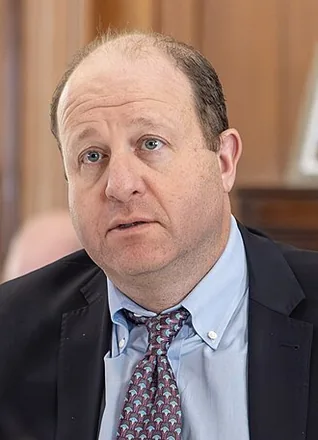
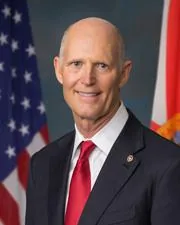
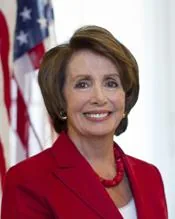
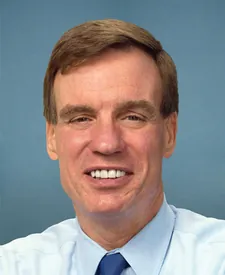
Mitt Romney sits at rank #12 in the 119th Congress, directly flanked by closest wealth peers across the legislature. View full United States leaderboard
| Rank | Lawmaker | Disclosed Net Worth |
|---|---|---|
| #10 |
Democrat
|
$400,000,000
USD
|
| #11 |
Republican
|
$300,000,000
USD
|
| #12 |
Mitt Romney (UT)
Republican
|
$250,000,000
USD
|
| #13 |
Democrat
|
$240,000,000
USD
|
| #14 |
Democrat
|
$215,000,000
USD
|
Can you deduce today's mystery lawmaker?
Every day, Worthle features a new mystery politician. Unlock clues about their salary, investments, and disclosed net worth to guess their identity and discover how public leaders build wealth.
Frequently Asked Questions: Mitt Romney's Net Worth
What is Mitt Romney's net worth in 2026?
Mitt Romney has an estimated personal net worth of $250,000,000 (~$250 Million), ranking #12 in the U.S. Congress. His fortune was built over decades as co-founder and managing director of Bain Capital private equity firm, successful corporate turnaround investments, and diversified global trusts.
How did Mitt Romney make his money?
Mitt Romney amassed his wealth in private equity. In 1984, he co-founded Bain Capital, steering early-stage investments in iconic American companies like Staples, Domino's Pizza, Sports Authority, and Brookstone, generating exceptional returns for partners and institutional investors.
What was Mitt Romney's salary as a U.S. Senator?
As a United States Senator representing Utah, Mitt Romney was entitled to the standard statutory senatorial compensation of $174,000 annually.
What assets are listed in Mitt Romney's financial disclosures?
Public Senate disclosures filed with the Select Committee on Ethics show extensive co-investment funds in Bain Capital entities, municipal bonds, residential luxury estates in Utah and California, and cash market funds, with public securities held in blind trust vehicles.
Explore More United States Lawmaker Wealth Dossiers
View All →
Explore the Full Legislative Wealth Rankings
Discover how other prominent leaders compare across the national proximity index.