


 Democrat
Jared Polis
Rank #1043rd Governor of Colorado (2019–present) and former five-term U.S. Representative (CO-02). Self-made dot-com entrepreneur who co-founded BlueMountain.com and founded ProFlowers before age 30, generating two nine-figure exits prior to entering public office.
~$400.0M Colorado Secretary of State & Historic House OGE-278 Disclosures
Statutory Governor of Colorado pay
29 centuries of public pay
2,074× median US family net worth
Where Jared Polis Stands: Core Political Positions
Key legislative priorities and core political philosophy across major policy domains:
- • Income Tax Rate Reductions: Signed multiple bipartisan Colorado state income tax rate cuts and property tax relief packages while prioritizing targeted tax credits.
- • Crypto & Fintech Innovation: Made Colorado the first U.S. state to accept cryptocurrency for state tax payments and championed blockchain-friendly commerce.
Blends progressive social policy with pro-growth entrepreneurship and fiscal restraint.
Progressive legislators argue flat income-tax rate cuts reduce funding for public schools and transit.
- • 100% Renewable Grid by 2040: Established Colorado's flagship roadmap transitioning electric utilities toward wind, solar, and battery storage.
- • EV Tax Credits & Geothermal Grants: Expanded consumer electric-vehicle incentives and geothermal heating programs across the Front Range.
Positions Colorado as a clean-tech hub while reducing long-term emissions.
Oil and gas producers in Weld County warn accelerated mandates increase utility and compliance costs.
- • Land-Use & ADU Reform: Pushed statewide legislation allowing accessory dwelling units and higher-density housing near urban transit corridors.
- • Eliminating Parking Minimums: Signed laws curbing restrictive local parking mandates to lower multi-family construction costs.
Tackles Colorado's acute housing affordability crisis by boosting market supply.
Suburban mayors objected to state preemption of local municipal zoning authority.
- • Free Full-Day Kindergarten & Pre-K: Delivered universal preschool and full-day kindergarten funded through voter-approved tobacco/nicotine tax revenues.
- • Public Charter Innovation: Founded two charter schools prior to office and continues backing public school choice alongside traditional districts.
Saves Colorado families thousands annually in early-childhood care costs.
Teachers unions occasionally clash with his longstanding support for charter school autonomy.
Disclosed Asset Portfolio Breakdown
High-level asset allocation compiled from official public financial disclosure filings (Colorado Secretary of State & Historic House OGE-278 Disclosures):
Tech & Seed Investment Funds
Diversified limited-partner stakes in venture capital, private equity, and early-stage software companies managed outside state oversight.
BlueMountain & ProFlowers Proceeds
Liquid index funds, municipal bonds, and managed equity portfolios seeded from his $430M+ BlueMountain.com and $477M ProFlowers exits.
Boulder & Commercial Properties
High-value residential and commercial real estate holdings in Boulder County and the Denver metro corridor.
Jared Polis Foundation
Charitable endowment funding computer donations, charter school startups, and Colorado educational equity grants.
The STOCK Act & The Congressional Trading Controversy
Why do congressional wealth disclosures and stock portfolios make global headlines? The answer lies at the intersection of constitutional ethics, insider access, and a federal law known as the STOCK Act.
What the Law Requires
Signed by President Obama, the Stop Trading on Congressional Knowledge Act made it explicitly illegal for lawmakers to profit from non-public information learned on the job, mandating public disclosure of all stock trades over $1,000 within 45 days.
Why Critics Cry Foul
Lawmakers receive classified intelligence briefings, direct testimony from CEOs, and advance notice of regulatory subsidies. Retail traders argue sitting members of Congress possess an unfair structural advantage in capital markets.
Blind Trusts vs. Banning Stocks
Public outcry over timely stock trades has spurred bipartisan support for proposals like the ETHICS Act, seeking to legally ban all sitting members of Congress and spouses from owning or trading individual equities while holding federal office.
Can Politicians Pocket Campaign Donations? Understanding FEC Law
A widespread public misconception is that politicians get rich from campaign contributions. Federal election law strictly separates political campaign warchests from personal household bank accounts.
~$400.0M Disclosed Personal Wealth
Earned through private business enterprise, executive compensation, real estate appreciation, and market investments. Every dollar is subject to personal federal, state, and capital gains taxes.
Regulated Political Committee Funds
Official campaign funds raised from donors to finance advertising, field staff, and voter turnout operations. Regulated under strict Federal Election Commission guidelines.
How tech-founder wealth reshaped Colorado statewide politics
Unlike career politicians reliant on PAC fundraising, Jared Polis self-funded tens of millions into his 2018 and 2022 gubernatorial campaigns—eliminating traditional donor leverage while drawing scrutiny over his private investment trusts.
Polis achieved nine-figure liquidity before age 30 by selling BlueMountain.com (1999) and ProFlowers (2005).
With Colorado median household income near $92,400, Polis's $400M fortune puts housing affordability at the center of his policy agenda.
Key Milestones: Jared Polis's Political Career
Chronological milestones across public office and private enterprise:
Launched American Information Systems
Founded an internet service provider from his Princeton dorm room, selling it in 1998 for ~$22 million.
Sold BlueMountain.com
Sold his family's online greeting card platform to Excite@Home for roughly $430M–$780M in cash and stock.
ProFlowers Acquired by Liberty Media
Sold Provide Commerce (ProFlowers), which he founded in 1998, to Liberty Media for $477 million.
Sworn Into U.S. House (CO-02)
Elected to represent Boulder and northern Colorado in the U.S. House, serving five terms.
Elected 43rd Governor of Colorado
Self-funded ~$23M to defeat Walker Stapleton and became the nation's first openly gay man elected governor.
Married Marlon Reis
Married longtime partner Marlon Reis in a traditional ceremony in Boulder, Colorado.
Won Second Term by 19 Points
Secured a commanding second term as Governor of Colorado.
Final Term Policy Push
Focused on housing supply deregulation, universal pre-K expansion, and state income tax reductions ahead of term limits in 2027.
How Does Jared Polis Compare to Other Wealthy Leaders?
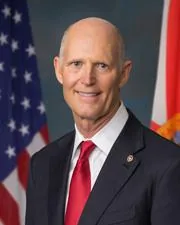
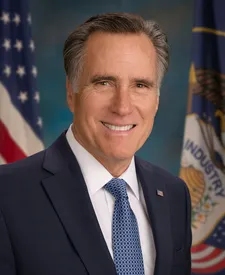
Jared Polis sits at rank #10 in the 119th Congress, directly flanked by closest wealth peers across the legislature. View full United States leaderboard
| Rank | Lawmaker | Disclosed Net Worth |
|---|---|---|
| #8 |
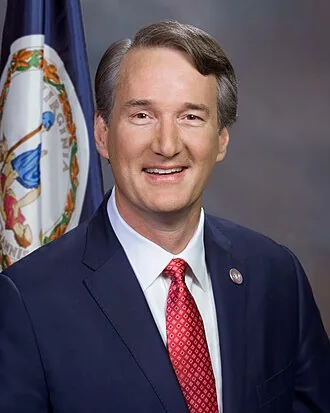
Glenn Youngkin (Virginia (VA))
Republican
|
$470,000,000
USD
|
| #9 |

Republican
|
$460,000,000
USD
|
| #10 |
Jared Polis (CO)
Democrat
|
$400,000,000
USD
|
| #11 |
Republican
|
$300,000,000
USD
|
| #12 |
Republican
|
$250,000,000
USD
|
Can you deduce today's mystery lawmaker?
Every day, Worthle features a new mystery politician. Unlock clues about their salary, investments, and disclosed net worth to guess their identity and discover how public leaders build wealth.
Frequently Asked Questions: Jared Polis's Net Worth
What is Jared Polis's net worth in 2026?
Jared Polis's net worth is estimated at approximately $400,000,000, making him one of the wealthiest governors and political leaders in the United States.
How did Jared Polis become so rich?
Before entering politics, Polis built and sold three major internet businesses: American Information Systems (~$22M), BlueMountain.com ($430M+ in 1999), and ProFlowers ($477M to Liberty Media in 2005).
Did Jared Polis self-fund his campaigns?
Yes. Polis contributed over $23 million of his own money to his 2018 gubernatorial race and millions more to his earlier congressional and 2022 re-election campaigns.
When does Jared Polis leave office?
Due to Colorado's two-consecutive-term limit for governors, Jared Polis's second term runs through January 2027.
Explore More United States Lawmaker Wealth Dossiers
View All →
Explore the Full Legislative Wealth Rankings
Discover how other prominent leaders compare across the national proximity index.