


 NDP
Jagmeet Singh
Rank #13Leader of the federal New Democratic Party (NDP) since 2017 and Member of Parliament for Burnaby since 2019. Former criminal defense attorney in Brampton and Ontario MPP, Singh negotiated the historic federal Supply and Confidence Agreement that delivered universal dental care, pharmacare coverage, and paid sick leave across Canada.
~C$4.0M Conflict of Interest and Ethics Commissioner
Base MP indemnity (C$203,100) + Leader of Recognized Party allowance (C$96,800)
13 years of party leader compensation
51× median Canadian household net worth
Where Jagmeet Singh Stands: Core Political Positions
Key legislative priorities and core political philosophy across major policy domains:
- • Canadian Dental Care Plan: Leveraged the federal Supply and Confidence Agreement to establish the historic Canadian Dental Care Plan, covering millions of uninsured seniors and children.
- • National Pharmacare Act: Passed Bill C-64 providing single-payer universal coverage for essential diabetes medications and prescription contraceptives nationwide.
Delivered the greatest expansion of public Medicare in Canada since Tommy Douglas introduced hospital insurance.
Conservative critics argued the program duplicated existing provincial plans and expanded federal deficit liabilities.
- • Excess Profits Tax: Advocates an excess profits windfall tax on multinational supermarket grocery conglomerates to lower retail food pricing for working families.
- • Competition Act Overhaul: Secured major amendments to the federal Competition Act to outlaw anti-competitive real estate covenants and stop monopolistic grocery mergers.
Takes on corporate monopolies and directly confronts rampant grocery price inflation.
Retail business associations warned that windfall taxes could reduce private grocery supply chain investment.
- • Non-Market Housing Fund: Proposes multi-billion-dollar federal financing to acquire rental properties and build non-profit, community-owned, and co-operative housing.
- • Banning Corporate Landlords: Advocates restricting large corporate real estate investment trusts (REITs) from buying up affordable family apartment complexes.
Protects renters from predatory 'renovictions' and builds permanent affordable housing stock.
Private developer associations argue institutional REIT capital is essential for building large-scale rental housing.
- • Federal Anti-Scab Legislation: Successfully passed Bill C-58, strictly prohibiting the use of replacement workers ('scabs') during legal strikes in federally regulated sectors.
- • 10 Days Paid Sick Leave: Enacted statutory 10 days of paid medical sick leave for nearly a million federally regulated transportation, telecom, and banking workers.
Delivers historic protections for frontline union workers and levels collective bargaining power.
Business lobby groups caution that replacement worker bans can increase the duration of transit and rail disruptions.
Disclosed Asset Portfolio Breakdown
High-level asset allocation compiled from official public financial disclosure filings (Conflict of Interest and Ethics Commissioner):
Singh Law Criminal Defense Practice Proceeds
Substantial private commercial capital accumulated through his successful career as a criminal defense barrister and founder of Singh Law in Brampton, Ontario.
Burnaby & Toronto Residential Properties
Primary residential real estate equity in Burnaby, British Columbia, alongside residential property investments in the Greater Toronto Area.
MPRAA & Ontario Legislative Pension Entitlements
Vested pension rights from his service in the Ontario Legislative Assembly (2011–2017) and continuous federal parliamentary service as Party Leader.
Registered Portfolios & Liquid Accounts
Diversified registered retirement accounts (RRSPs), mutual fund portfolios, and high-value personal assets declared on the Ethics Commissioner register.
The Conflict of Interest Act & Ministerial Blind Trusts
How does Canadian federal law govern the wealth of ministers and members of Parliament? All disclosures are audited under the stringent provisions of the Conflict of Interest Act (2006).
The Statutory Distinction
Under the federal Act, public office holders may retain 'exempt assets' (residential properties, cash deposits, Canadian savings bonds), but must completely divest or place 'controlled assets' (publicly traded corporate equities, commodities) into a qualified blind trust.
Third-Party Trustee Firewall
Cabinet ministers must hand total management of corporate stocks to an arm's-length independent trustee. Ministers are legally prohibited from communicating with the trustee or giving any instructions regarding investment decisions.
Preventing the Revolving Door
Former Cabinet ministers are legally subject to a strict two-year cooling-off period after stepping down, during which they are forbidden from lobbying any federal department or accepting commercial contracts with entities they directly regulated in office.
Can Canadian Politicians Pocket Campaign Donations? Understanding Elections Canada Law
A frequent misconception is that elected Canadian leaders profit from campaign warchests. The Canada Elections Act strictly separates party donations from personal finances.
~C$4.0M Disclosed Personal Wealth
Generated through prior corporate law practices, clean tech leadership, business founding, or book royalties. Fully subject to Canada Revenue Agency (CRA) personal taxation.
Strictly Audited Riding Association Accounts
Political donations raised into registered electoral district associations to fund campaign lawn signs, voter contact software, and local campaign offices.
The Riding Dilemma: Metro Vancouver Transit Densification Amid Historic Housing Costs
Burnaby Central sits in the geographic heart of Metro Vancouver, anchored by Metrotown, British Columbia Institute of Technology (BCIT), and Simon Fraser University (SFU).
Rapid high-density SkyTrain transit-oriented tower development alongside thriving video game, film production, and green tech studios.
Multicultural working-class immigrant families and students confront some of North America's highest rental rates and condominium prices.
Key Milestones: Jagmeet Singh's Political Career
Chronological milestones across public office and private enterprise:
LLB from Osgoode Hall Law School
Graduates in Law from Osgoode Hall, subsequently called to the Bar and founding criminal defense practice Singh Law in Brampton.
Elected Ontario MPP for Bramalea-Gore-Malton
Elected to the Legislative Assembly of Ontario, becoming the first turbaned Sikh to sit in the provincial legislature.
Deputy Leader of Ontario NDP
Appointed Deputy Leader of the Ontario NDP, leading successful legislative campaigns against police street checks ('carding').
Elected Federal NDP Leader
Wins the federal NDP leadership on the first ballot with 53.8% of the vote, making history as the first visible minority leader of a major federal Canadian party.
Elected MP for Burnaby South
Wins a high-profile federal by-election in Burnaby South, formally entering the House of Commons as leader of the NDP caucus.
Signed Supply and Confidence Agreement
Negotiates a historic agreement with the governing Liberals to pass dental care, pharmacare, and anti-scab legislation in exchange for stability.
Passed Anti-Scab Law & Pharmacare Act
Delivers universal diabetes medications, contraceptives, and federal anti-scab protections through Parliament.
Terminated Supply-and-Confidence Deal
Formally tears up the governing agreement with the Liberals, presenting the NDP as an independent working-class alternative.
How Does Jagmeet Singh Compare to Other Wealthy Leaders?
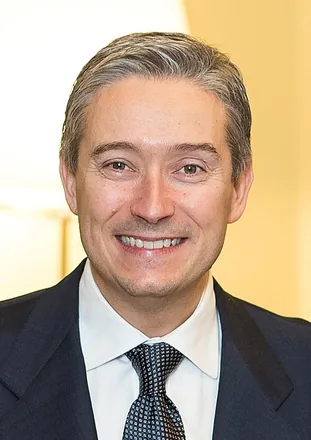
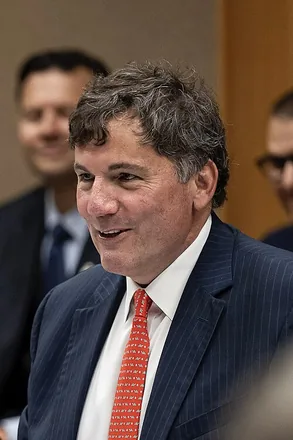
Jagmeet Singh sits at rank #13 in the Canadian Parliament, directly flanked by closest wealth peers across the legislature. View full Canada leaderboard
| Rank | Lawmaker | Disclosed Net Worth |
|---|---|---|
| #11 |

Liberal
|
C$4,500,000
CAD
|
| #12 |
C$4,500,000
CAD
|
|
| #13 |
Jagmeet Singh (British Columbia (BC))
NDP
|
C$4,000,000
CAD
|
| #14 |
C$4,000,000
CAD
|
|
| #15 |
C$3,800,000
CAD
|

Can you deduce today's mystery lawmaker?
Every day, Worthle features a new mystery politician. Unlock clues about their salary, investments, and disclosed net worth to guess their identity and discover how public leaders build wealth.
Frequently Asked Questions: Jagmeet Singh's Net Worth
What is Jagmeet Singh's net worth in 2026?
Jagmeet Singh has an estimated net worth of C$4,000,000 (~C$4.0 Million), ranking #13 in Canadian politics. His personal fortune was accumulated through his successful career as a criminal defense attorney running his own law practice in Brampton, Ontario, substantial residential real estate equity in Metro Vancouver and Toronto, and his statutory compensation as a federal party leader.
What is Jagmeet Singh's official salary as NDP Leader?
Jagmeet Singh earns an annual statutory compensation of C$299,900. This is composed of the base Canadian Member of Parliament salary of C$203,100 plus the statutory Leader of a Recognized Party allowance of C$96,800 under the Parliament of Canada Act.
What was Jagmeet Singh's career before federal politics?
Before entering federal politics, Jagmeet Singh was a practicing criminal defense attorney, running Singh Law in Brampton and Mississauga. He was elected as a Member of Provincial Parliament (MPP) in Ontario from 2011 to 2017, where he served as Deputy Leader of the Ontario NDP.
What assets are listed in Jagmeet Singh's ethics disclosures?
Under disclosures filed with the Conflict of Interest and Ethics Commissioner, Singh registers residential real estate in Burnaby, BC and the Greater Toronto Area, registered retirement savings plans (RRSPs), and standard parliamentary pension entitlements with no corporate directorships.
Explore More Canada Lawmaker Wealth Dossiers
View All →
Explore the Full Legislative Wealth Rankings
Discover how other prominent leaders compare across the national proximity index.