


 Democrat
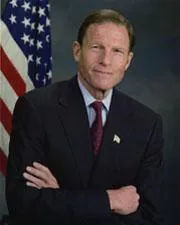
Richard Blumenthal
Rank #26United States Senator from Connecticut. Longtime Connecticut Attorney General, consumer protection advocate, senior member of the Senate Judiciary and Armed Services committees, and spouse to real estate heiress Cynthia Malkin.
~$85.0M Form OGE-278
Statutory pay since 2009
5 centuries of public pay
441× median US family
Where Richard Blumenthal Stands: Core Political Positions
Key legislative priorities and core political philosophy across major policy domains:
- • Kids Online Safety Act (KOSA): Lead co-author of KOSA alongside Sen. Marsha Blackburn, demanding transparency from social media giants regarding youth addictive design algorithms.
- • Antitrust & Monopolies: Advocates aggressive federal antitrust litigation against tech conglomerates, live ticket monopolies, and airline carrier consolidations.
Fierce defender of consumer financial rights and youth safety against predatory monopolistic behavior.
Tech platforms and free-market groups argue overbroad regulations stifle startup innovation and online expression.
- • Honoring Our PACT Act: Crucial co-author and advocate for the landmark 2022 PACT Act, extending comprehensive VA healthcare to millions of veterans exposed to toxic burn pits.
- • VA Accountability: Consistently pushes for strict oversight of VA medical center wait times and expanded mental health suicide prevention funding.
Secured the most sweeping expansion of veteran healthcare benefits in modern American history.
Fiscally conservative lawmakers raised concerns over multi-hundred-billion dollar mandatory spending expansions.
- • Supreme Court Term Limits & Ethics: Sponsors structural Supreme Court reforms, including 18-year term limits and mandatory financial disclosure rules.
- • Universal Gun Background Checks: Relentless champion for closing firearm background check loopholes and incentivizing states to enact extreme risk protection orders (red flag laws).
Restores ethical integrity to federal courts and reduces epidemic gun violence.
Second Amendment advocates and judicial originalists consider proposed reforms unconstitutional encroachments.
- • Columbia & Virginia-Class Submarines: Senior Armed Services leader securing steady federal appropriations for Electric Boat in Groton, Connecticut to build next-generation nuclear submarines.
- • Aerospace Industrial Base: Fights for Pratt & Whitney engine contracts to support Connecticut's dense network of precision manufacturing sub-tier suppliers.
Essential for sustaining American naval nuclear deterrence and high-paying Connecticut machinist jobs.
Anti-war groups question runaway defense procurement budgets and nuclear modernization outlays.
Disclosed Asset Portfolio Breakdown
High-level asset allocation compiled from official public financial disclosure filings (Form OGE-278):
Malkin Holdings & Empire State Realty
Family wealth originating from father-in-law Peter L. Malkin, chairman emeritus of Empire State Realty Trust (ESRT), which owns the Empire State Building and Manhattan commercial towers.
Connecticut Residential Real Estate
Substantial residential estate in Greenwich, Connecticut, alongside interests in commercial properties throughout Fairfield County and New York.
Institutional Investment Partnerships
Passive LP shares in elite private equity buyout vehicles, commercial credit partnerships, and hedge funds managed by independent family offices.
Municipal Bonds & Liquid Reserves
Substantial allocations in tax-exempt Connecticut and New York municipal bonds, cash deposits, and short-term Treasuries.
The STOCK Act & The Congressional Trading Controversy
Why do congressional wealth disclosures and stock portfolios make global headlines? The answer lies at the intersection of constitutional ethics, insider access, and a federal law known as the STOCK Act.
What the Law Requires
Signed by President Obama, the Stop Trading on Congressional Knowledge Act made it explicitly illegal for lawmakers to profit from non-public information learned on the job, mandating public disclosure of all stock trades over $1,000 within 45 days.
Why Critics Cry Foul
Lawmakers receive classified intelligence briefings, direct testimony from CEOs, and advance notice of regulatory subsidies. Retail traders argue sitting members of Congress possess an unfair structural advantage in capital markets.
Blind Trusts vs. Banning Stocks
Public outcry over timely stock trades has spurred bipartisan support for proposals like the ETHICS Act, seeking to legally ban all sitting members of Congress and spouses from owning or trading individual equities while holding federal office.
Can Politicians Pocket Campaign Donations? Understanding FEC Law
A widespread public misconception is that politicians get rich from campaign contributions. Federal election law strictly separates political campaign warchests from personal household bank accounts.
~$85.0M Disclosed Personal Wealth
Earned through private business enterprise, executive compensation, real estate appreciation, and market investments. Every dollar is subject to personal federal, state, and capital gains taxes.
Regulated Political Committee Funds
Official campaign funds raised from donors to finance advertising, field staff, and voter turnout operations. Regulated under strict Federal Election Commission guidelines.
The Senate Dilemma: Balancing Financial Wealth with Industrial Manufacturing
Connecticut exhibits dramatic regional contrasts, pairing Gold Coast hedge funds and venture capital with deep naval submarine yards and urban post-industrial centers.
Greenwich and Stamford house one of the world's highest concentrations of hedge funds and private equity firms, driving enormous personal income tax revenue.
Eastern Connecticut depends on General Dynamics Electric Boat submarine shipyards, while cities like Hartford and Bridgeport face municipal revenue and poverty strains.
Key Milestones: Richard Blumenthal's Political Career
Chronological milestones across public office and private enterprise:
Appointed U.S. Attorney for Connecticut
Appointed by President Jimmy Carter as U.S. Attorney, prosecuting white-collar financial crimes, drug cartels, and civil rights violations across the state.
Elected to Connecticut State House
Began legislative career in the Connecticut General Assembly, subsequently winning election to the State Senate representing Greenwich and Stamford.
Elected Connecticut Attorney General
Elected state Attorney General, serving a historic five terms (20 years) and becoming a national leader in consumer litigation.
Master Tobacco Settlement Agreement
Played a central role in the nationwide legal coalition against Big Tobacco, recovering billions in health restitution funds for Connecticut taxpayers.
Elected to the United States Senate
Won election to the U.S. Senate succeeding retiring Senator Chris Dodd, overcoming a $50M self-funded challenge from Linda McMahon.
Second Senate Term Win
Re-elected with 63% of the vote, expanding his focus on judicial confirmations and VA healthcare reforms on Capitol Hill.
Enactment of Toxic Burn Pit Legislation
Led the Senate fight to pass the PACT Act, fulfilling a career commitment to combat-exposed American military veterans.
Senior Statesman in 119th Congress
Serves in third term as a senior leader on the Senate Judiciary and Armed Services committees, ranking consistently among the top 15 wealthiest members of Congress.
How Does Richard Blumenthal Compare to Other Wealthy Leaders?
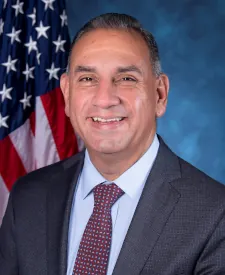
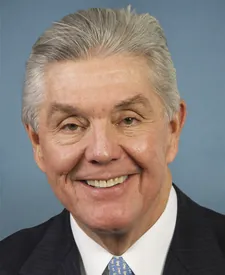
Richard Blumenthal sits at rank #26 in the 119th Congress, directly flanked by closest wealth peers across the legislature. View full United States leaderboard
| Rank | Lawmaker | Disclosed Net Worth |
|---|---|---|
| #24 |

Democrat
|
$85,808,106
USD
|
| #25 |
Democrat
|
$85,247,195
USD
|
| #26 |
Richard Blumenthal (CT)
Democrat
|
$85,000,000
USD
|
| #27 |
Republican
|
$75,000,000
USD
|
| #28 |

Mitch McConnell (KY)
Republican
|
$70,400,000
USD
|
Can you deduce today's mystery lawmaker?
Every day, Worthle features a new mystery politician. Unlock clues about their salary, investments, and disclosed net worth to guess their identity and discover how public leaders build wealth.
Frequently Asked Questions: Richard Blumenthal's Net Worth
What is Richard Blumenthal's net worth in 2026?
Richard Blumenthal has an exact disclosed minimum net worth of $85,000,000 (~$85.0 Million) based on federal disclosure filings (Form OGE-278), ranking him #13 overall in the 119th Congress.
What is the primary source of Richard Blumenthal's fortune?
Richard Blumenthal's wealth is largely derived from his wife Cynthia Malkin's family real estate empire (Malkin Holdings), which holds major Manhattan commercial properties including the Empire State Building, complemented by hedge fund and municipal bond assets.
What is Richard Blumenthal's salary as a U.S. Senator?
As a United States Senator, Richard Blumenthal receives the base statutory annual salary of $174,000.
How does Richard Blumenthal's wealth compare to the median American household?
Richard Blumenthal's disclosed net worth of $85.0M is over 441 times higher than the median American household net worth ($192,900) and represents nearly 489 years of Senate salary.
Explore More United States Lawmaker Wealth Dossiers
View All →
Explore the Full Legislative Wealth Rankings
Discover how other prominent leaders compare across the national proximity index.