


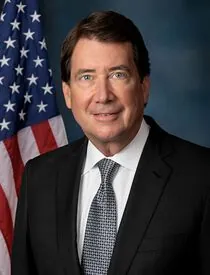
 Republican
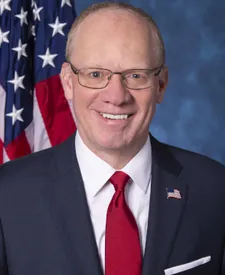
Bill Hagerty
Rank #35United States Senator from Tennessee (since 2021) and former U.S. Ambassador to Japan (2017–2019). Former Boston Consulting Group Tokyo executive and co-founder of Nashville/Chicago private equity firm Hagerty Peterson & Company prior to serving as Tennessee's Economic Development Commissioner.
~$55.4M Senate Office of Public Records (Form OGE-278)
Statutory U.S. Senate base pay
3.2 centuries of public pay
287× median US family net worth
Where Bill Hagerty Stands: Core Political Positions
Key legislative priorities and core political philosophy across major policy domains:
- • GENIUS Act Stablecoin Framework: Sits on the Senate Banking Committee championing bipartisan federal rules for payment stablecoins and digital-asset custody.
- • SEC & CFPB Overreach Curbs: Opposes aggressive CFPB credit-card fee caps and SEC enforcement-by-litigation against fintech firms.
Praised by fintech and institutional investors for providing regulatory clarity.
Consumer advocates warn weaker CFPB oversight reduces protections against junk fees and crypto volatility.
- • U.S.–Japan Security & Trade Ties: Draws on his tenure as U.S. Ambassador to Japan and BCG Tokyo years to strengthen defense and semiconductor supply chains.
- • Strategic Tariffs & Reshoring: Supports targeted tariffs on Chinese EVs and steel alongside domestic industrial incentives.
Brings rare corporate and diplomatic fluency in East Asian trade to the Senate Foreign Relations Committee.
Free-trade economists warn broad tariffs raise input costs for Tennessee auto plants.
- • Zero State Income Tax Model: Previously served as Tennessee's Economic Development Commissioner, recruiting major automotive and corporate relocations.
- • TCJA Extension: Supports permanent corporate and pass-through tax cuts to attract foreign direct investment.
Built a strong track record of manufacturing job announcements across Middle and East Tennessee.
Critics question taxpayer-funded corporate relocation incentives.
- • Hagerty Peterson Legacy Holdings: Discloses diversified private-equity fund stakes, corporate notes, and real estate built at Hagerty Peterson & Company.
- • Senate Banking Ethics Screening: Divested select conflicting assets upon his 2017 ambassadorial confirmation while retaining passive fund interests.
Completed rigorous federal ethics vetting twice—for Ambassador to Japan and U.S. Senator.
Watchdogs track indirect private-equity portfolio overlap with Banking Committee legislation.
Disclosed Asset Portfolio Breakdown
High-level asset allocation compiled from official public financial disclosure filings (Senate Office of Public Records (Form OGE-278)):
Hagerty Peterson & Co. Fund Interests
Co-founder equity, carried-interest distributions, and passive private equity stakes from his Nashville/Chicago buyout firm.
Diversified Institutional Portfolios
Multi-million-dollar index funds, U.S. Treasuries, and corporate bond holdings accumulated across consulting and PE careers.
Nashville & Middle Tennessee Properties
High-value residential and investment property holdings in Nashville's Belle Meade / Sumner County corridor.
Corporate Advisory & Exit Proceeds
Proceeds from pre-2017 board seats and venture investments including Trident Capital.
The STOCK Act & The Congressional Trading Controversy
Why do congressional wealth disclosures and stock portfolios make global headlines? The answer lies at the intersection of constitutional ethics, insider access, and a federal law known as the STOCK Act.
What the Law Requires
Signed by President Obama, the Stop Trading on Congressional Knowledge Act made it explicitly illegal for lawmakers to profit from non-public information learned on the job, mandating public disclosure of all stock trades over $1,000 within 45 days.
Why Critics Cry Foul
Lawmakers receive classified intelligence briefings, direct testimony from CEOs, and advance notice of regulatory subsidies. Retail traders argue sitting members of Congress possess an unfair structural advantage in capital markets.
Blind Trusts vs. Banning Stocks
Public outcry over timely stock trades has spurred bipartisan support for proposals like the ETHICS Act, seeking to legally ban all sitting members of Congress and spouses from owning or trading individual equities while holding federal office.
Can Politicians Pocket Campaign Donations? Understanding FEC Law
A widespread public misconception is that politicians get rich from campaign contributions. Federal election law strictly separates political campaign warchests from personal household bank accounts.
~$55.4M Disclosed Personal Wealth
Earned through private business enterprise, executive compensation, real estate appreciation, and market investments. Every dollar is subject to personal federal, state, and capital gains taxes.
Regulated Political Committee Funds
Official campaign funds raised from donors to finance advertising, field staff, and voter turnout operations. Regulated under strict Federal Election Commission guidelines.
How Boston Consulting Group and Hagerty Peterson built Tennessee's wealthiest senator's portfolio
Bill Hagerty transitioned from a White House fellowship and BCG Tokyo partnership into founding private equity firm Hagerty Peterson & Company—creating a $55.4M+ disclosed net worth (#35 in Congress) before entering the U.S. Senate.
Before becoming Ambassador to Japan, Hagerty filed an extensive OGE divestment plan restructuring active private-equity roles.
Against Tennessee's ~$67,600 median household income, Hagerty's $55.4M balance sheet equals ~287× typical U.S. family wealth.
Key Milestones: Bill Hagerty's Political Career
Chronological milestones across public office and private enterprise:
Vanderbilt BA & JD
Earned both undergraduate and law degrees from Vanderbilt University in Nashville.
George H.W. Bush White House Staff
Served as a White House Fellow and staffer on the President's Council on Competitiveness.
BCG & Trident Capital
Worked as a management consultant in Tokyo with Boston Consulting Group and venture partner at Trident Capital.
Co-Founded Hagerty Peterson & Co.
Launched middle-market private equity firm with offices in Nashville and Chicago.
Tennessee ECD Commissioner
Led Governor Bill Haslam's Department of Economic and Community Development through 2015.
U.S. Ambassador to Japan
Confirmed 86–12 by the U.S. Senate, serving in Tokyo until 2019.
Sworn Into U.S. Senate
Won Tennessee's open Senate seat in 2020 and took office in January 2021.
Led Senate Stablecoin Bill
Championed the bipartisan GENIUS Act digital-asset framework on the Senate Banking Committee.
How Does Bill Hagerty Compare to Other Wealthy Leaders?
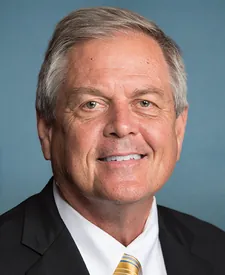
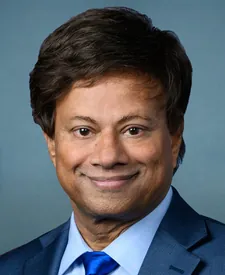
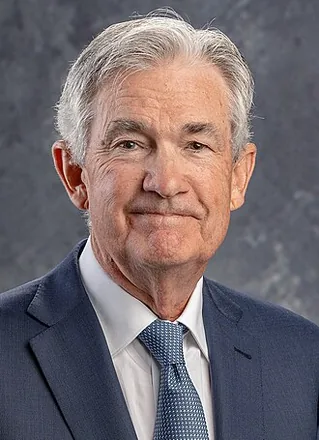
Bill Hagerty sits at rank #35 in the 119th Congress, directly flanked by closest wealth peers across the legislature. View full United States leaderboard
| Rank | Lawmaker | Disclosed Net Worth |
|---|---|---|
| #33 |
Republican
|
$63,706,059
USD
|
| #34 |
Democrat
|
$61,904,382
USD
|
| #35 |
Bill Hagerty (TN)
Republican
|
$55,418,208
USD
|
| #36 |

Hillary Clinton (New York (NY))
Democrat
|
$55,000,000
USD
|
| #37 |
Jerome Powell (Washington (DC))
Independent
|
$55,000,000
USD
|
Can you deduce today's mystery lawmaker?
Every day, Worthle features a new mystery politician. Unlock clues about their salary, investments, and disclosed net worth to guess their identity and discover how public leaders build wealth.
Frequently Asked Questions: Bill Hagerty's Net Worth
What is Bill Hagerty's net worth in 2026?
Based on Senate Form OGE-278 financial disclosures, Bill Hagerty's disclosed net worth is approximately $55,418,208, ranking #35 in Congress.
How did Bill Hagerty make his money?
He built his wealth as a management consultant at Boston Consulting Group, a venture partner at Trident Capital, and co-founder of private equity firm Hagerty Peterson & Company.
Was Bill Hagerty the U.S. Ambassador to Japan?
Yes. He served as U.S. Ambassador to Japan from 2017 to 2019 before winning election to the U.S. Senate from Tennessee in 2020.
What is Bill Hagerty's salary as a U.S. Senator?
As a U.S. Senator, he receives the statutory congressional base salary of $174,000 per year.
Explore More United States Lawmaker Wealth Dossiers
View All →

Explore the Full Legislative Wealth Rankings
Discover how other prominent leaders compare across the national proximity index.