


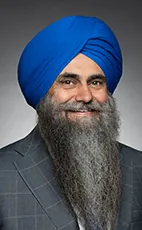
 Conservative
Tim Uppal
Rank #20Deputy Leader of the Conservative Party of Canada and long-serving Alberta MP (2008–2015 and 2019–present, now representing Edmonton Gateway). Former Minister of State for Democratic Reform and Multiculturalism under Stephen Harper, and former TD Canada Trust residential mortgage manager with an Ivey MBA.
~C$3.34M Office of the Conflict of Interest and Ethics Commissioner (CIEC) & MPRAA
Statutory Federal MP sessional indemnity
16.4 years of MP pay
6.4× median Canadian household wealth
Where Tim Uppal Stands: Core Political Positions
Key legislative priorities and core political philosophy across major policy domains:
- • Oil Sands & LNG Export Expansion: Champions repealing federal emissions caps and Bill C-69 impact-assessment hurdles blocking Alberta energy projects.
- • Carbon Tax Repeal: Leads Conservative affordability messaging in Edmonton against federal fuel charges.
Strong advocate for Alberta energy workers and Edmonton industrial contractors.
Environmentalists warn dismantling federal clean-fuel regulations slows Canada's decarbonization targets.
- • Banker Background on Stress Tests: Draws on his prior career as a TD Canada Trust residential mortgage manager to critique Bank of Canada rate/stress-test pressures.
- • Municipal Permit Acceleration: Supports Conservative proposals tying federal transit grants to completed home construction.
Brings practical retail-banking underwriting experience to housing debates.
Housing economists caution loosening mortgage stress tests can inflate home prices.
- • Suburban Conservative Coalition: Plays a central role as Deputy Leader building Conservative support among Sikh, South Asian, and new-Canadian communities.
- • Credential Recognition: Advocates faster Blue Seal licensing for foreign-trained doctors, nurses, and engineers.
Crucial architect of Conservative urban and suburban vote growth outside rural bases.
Political rivals contest Conservative immigration-cap rhetoric alongside diaspora outreach.
- • 14+ Cumulative Years in Commons: Served 2008–2015 (including Cabinet Minister of State roles) before returning in 2019—crossing MPRAA vesting thresholds twice.
- • Constituency & Family Residence Scrutiny: Previously addressed media questions during 2019 regarding primary-residence ties between Ottawa and Edmonton.
Commands deep institutional memory and leadership seniority under Pierre Poilievre.
Opponents scrutinized past Ottawa residential arrangements when running in Edmonton Mill Woods.
Disclosed Asset Portfolio Breakdown
High-level asset allocation compiled from official public financial disclosure filings (Office of the Conflict of Interest and Ethics Commissioner (CIEC) & MPRAA):
14+ Years Cumulative MPRAA Annuity
Combined 2008–2015 and 2019–present parliamentary service plus Minister of State pension accruals under Canada's MPRAA.
Alberta & Ottawa Residential Equity
Long-held residential property equity built across Edmonton and the National Capital Region.
RRSPs, TFSAs & Registered Holdings
Diversified retirement savings and broad market ETFs built alongside his Ivey MBA and pre-politics TD banking career.
MP Sessional Indemnity
Earns the C$203,100 statutory Member of Parliament salary as Deputy Leader of the Official Opposition.
The Conflict of Interest Act & Ministerial Blind Trusts
How does Canadian federal law govern the wealth of ministers and members of Parliament? All disclosures are audited under the stringent provisions of the Conflict of Interest Act (2006).
The Statutory Distinction
Under the federal Act, public office holders may retain 'exempt assets' (residential properties, cash deposits, Canadian savings bonds), but must completely divest or place 'controlled assets' (publicly traded corporate equities, commodities) into a qualified blind trust.
Third-Party Trustee Firewall
Cabinet ministers must hand total management of corporate stocks to an arm's-length independent trustee. Ministers are legally prohibited from communicating with the trustee or giving any instructions regarding investment decisions.
Preventing the Revolving Door
Former Cabinet ministers are legally subject to a strict two-year cooling-off period after stepping down, during which they are forbidden from lobbying any federal department or accepting commercial contracts with entities they directly regulated in office.
Can Canadian Politicians Pocket Campaign Donations? Understanding Elections Canada Law
A frequent misconception is that elected Canadian leaders profit from campaign warchests. The Canada Elections Act strictly separates party donations from personal finances.
~C$3.34M Disclosed Personal Wealth
Generated through prior corporate law practices, clean tech leadership, business founding, or book royalties. Fully subject to Canada Revenue Agency (CRA) personal taxation.
Strictly Audited Riding Association Accounts
Political donations raised into registered electoral district associations to fund campaign lawn signs, voter contact software, and local campaign offices.
How two separate House tenures and Cabinet service built Tim Uppal's C$3.34M net worth
Because Tim Uppal served from 2008 to 2015 (including as Minister of State for Democratic Reform and Multiculturalism) and returned in 2019, his cumulative 14+ years of federal service have vested a major inflation-indexed MPRAA pension alongside real-estate equity (~C$3.34M).
At 3% annual accrual under the MPRAA, 14+ years locks in over 42% of indexed sessional pay for retirement.
Longtime real-estate ownership plus TD mortgage-industry background anchors his household balance sheet at 6.4× the Canadian median.
Key Milestones: Tim Uppal's Political Career
Chronological milestones across public office and private enterprise:
TD Canada Trust & Radio Host
Worked as a residential mortgage manager at TD Canada Trust and hosted Edmonton radio programming.
First Elected MP (Edmonton—Sherwood Park)
Won election to the House of Commons in October 2008.
Minister of State (Democratic Reform)
Appointed to Stephen Harper's ministry, later serving as Minister of State for Multiculturalism (2013–2015).
Completed Ivey MBA & Advisory
Lost his seat in 2015; earned an Executive MBA from Ivey Business School and worked in strategic consulting.
Returned to House (Edmonton Mill Woods)
Reclaimed a federal seat in Edmonton in October 2019.
Named Conservative Deputy Leader
Appointed Deputy Leader of the Conservative Party by Pierre Poilievre in September 2022.
Won New Edmonton Gateway Riding
Re-elected in the redistributed Edmonton Gateway riding in the 2025 federal election.
14th+ Cumulative Year in Commons
Continues serving as Deputy Leader of the Official Opposition.
How Does Tim Uppal Compare to Other Wealthy Leaders?
Tim Uppal sits at rank #20 in the Canadian Parliament, directly flanked by closest wealth peers across the legislature. View full Canada leaderboard
| Rank | Lawmaker | Disclosed Net Worth |
|---|---|---|
| #18 |
C$3,335,000
CAD
|
|
| #19 |
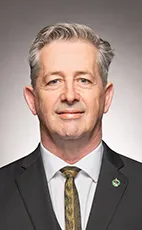
Jim Bélanger (Sudbury East—Manitoulin—Nickel Belt (Ontario))
Conservative
|
C$3,335,000
CAD
|
| #20 |
Tim Uppal (Edmonton Gateway (Alberta))
Conservative
|
C$3,335,000
CAD
|
| #21 |
C$3,335,000
CAD
|
|
| #22 |
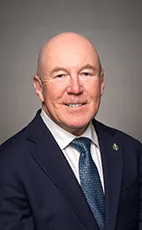
Kerry Diotte (Edmonton Griesbach (Alberta))
Conservative
|
C$3,335,000
CAD
|

Can you deduce today's mystery lawmaker?
Every day, Worthle features a new mystery politician. Unlock clues about their salary, investments, and disclosed net worth to guess their identity and discover how public leaders build wealth.
Frequently Asked Questions: Tim Uppal's Net Worth
What is Tim Uppal's net worth in 2026?
Worthle estimates Tim Uppal's net worth at approximately C$3,335,000 (#20 in Canadian politics), driven heavily by his 14+ cumulative years of vested federal MP and Ministerial pension accruals under the MPRAA plus residential property equity.
What did Tim Uppal do before entering Parliament?
Before his 2008 election, he worked as a residential mortgage manager for TD Canada Trust, hosted/produced radio in Edmonton, and later earned an MBA from Western's Ivey Business School.
What Cabinet positions has Tim Uppal held?
Under Prime Minister Stephen Harper, he served as Minister of State for Democratic Reform (2011–2013) and Minister of State for Multiculturalism (2013–2015).
What is Tim Uppal's salary in 2026?
As a sitting Member of Parliament, he earns the statutory sessional indemnity of C$203,100 per year.
Explore More Canada Lawmaker Wealth Dossiers
View All →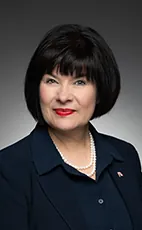

Explore the Full Legislative Wealth Rankings
Discover how other prominent leaders compare across the national proximity index.