


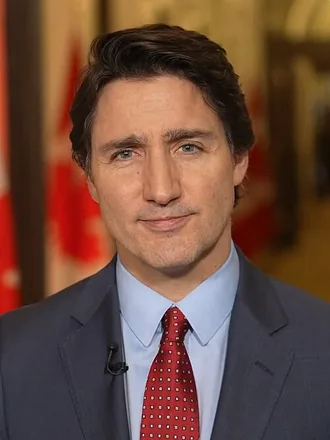
 Liberal
Justin Trudeau
Rank #623rd Prime Minister of Canada (2015–2025) and Member of Parliament for Papineau since 2008. Governed Canada for nearly a decade, championing the Canada Child Benefit, national carbon pricing, universal $10-a-day child care, and the CUSMA/USMCA trade pact.
~C$10.0M Conflict of Interest and Ethics Commissioner
Base MP sessional allowance (earned C$406,200 as Prime Minister)
49 years of base MP compensation
128× median Canadian household net worth
Where Justin Trudeau Stands: Core Political Positions
Key legislative priorities and core political philosophy across major policy domains:
- • Canada Child Benefit: Replaced taxable universal childcare allowances with the tax-free Canada Child Benefit, lifting over 400,000 Canadian children out of poverty.
- • $10-a-Day Child Care: Negotiated landmark bilateral accords with all ten provinces to cut average licensed child care fees to $10 a day nationwide.
Delivered historic reductions in childhood poverty and spurred record labor participation among mothers.
Subsidies contributed significantly to federal deficit growth and strained licensed daycare capacity.
- • Greenhouse Gas Pollution Pricing: Enacted the federal carbon pricing backstop with quarterly Canada Carbon Rebates returning fuel charge proceeds to households.
- • EV & Battery Supply Chains: Secured tens of billions in joint public-private EV battery manufacturing investments in Ontario and Quebec.
Established Canada as a serious global leader on climate policy and electric battery reshoring.
Fuel levies sparked intense voter backlash over heating and transportation affordability during inflation.
- • NAFTA Protection: Navigated hostile trade renegotiations to secure the Canada-United States-Mexico Agreement (CUSMA), safeguarding automotive duty-free access.
- • Supply Management: Defended Canada's dairy and poultry supply management regimes while diversifying trade via the CPTPP and CETA pacts.
Preserved vital access to Canada's largest export customer without ceding core sovereign economic sectors.
Trade concessions in dairy quotas drew frustration from domestic agricultural producers.
- • Cannabis Legalization: Passed the Cannabis Act in 2018, establishing a fully regulated commercial recreational adult-use market across Canada.
- • Dental & Pharmacare: Implemented the Canadian Dental Care Plan and single-payer diabetes and contraceptive medication coverage under supply-and-confidence deals.
Decriminalized cannabis, built a billion-dollar legal economy, and expanded Medicare beyond hospitals.
Provincial premiers criticized federal intrusions into provincial healthcare jurisdictions and fiscal boundaries.
Disclosed Asset Portfolio Breakdown
High-level asset allocation compiled from official public financial disclosure filings (Conflict of Interest and Ethics Commissioner):
Trudeau Family Inheritance & 762-3760 Canada Inc.
Substantial foundational assets inherited from his father, Prime Minister Pierre Elliott Trudeau, held in managed trust companies including 762-3760 Canada Inc.
Diversified Canadian & Global Equities
Liquid investment assets, broad-market equities, and corporate funds managed under a strict ethics-approved blind trust during his decade as Prime Minister.
Montreal Real Estate & Laurentian Holdings
Residential properties and real estate equity in Montreal and the Laurentians alongside historic family estate equity.
Book Royalties & Accrued MP Pension
Royalties from his best-selling memoir 'Common Ground' and fully vested, indexed parliamentary pension rights from 18 years of continuous House of Commons service.
The Conflict of Interest Act & Ministerial Blind Trusts
How does Canadian federal law govern the wealth of ministers and members of Parliament? All disclosures are audited under the stringent provisions of the Conflict of Interest Act (2006).
The Statutory Distinction
Under the federal Act, public office holders may retain 'exempt assets' (residential properties, cash deposits, Canadian savings bonds), but must completely divest or place 'controlled assets' (publicly traded corporate equities, commodities) into a qualified blind trust.
Third-Party Trustee Firewall
Cabinet ministers must hand total management of corporate stocks to an arm's-length independent trustee. Ministers are legally prohibited from communicating with the trustee or giving any instructions regarding investment decisions.
Preventing the Revolving Door
Former Cabinet ministers are legally subject to a strict two-year cooling-off period after stepping down, during which they are forbidden from lobbying any federal department or accepting commercial contracts with entities they directly regulated in office.
Can Canadian Politicians Pocket Campaign Donations? Understanding Elections Canada Law
A frequent misconception is that elected Canadian leaders profit from campaign warchests. The Canada Elections Act strictly separates party donations from personal finances.
~C$10.0M Disclosed Personal Wealth
Generated through prior corporate law practices, clean tech leadership, business founding, or book royalties. Fully subject to Canada Revenue Agency (CRA) personal taxation.
Strictly Audited Riding Association Accounts
Political donations raised into registered electoral district associations to fund campaign lawn signs, voter contact software, and local campaign offices.
The Riding Dilemma: Representing Canada's Most Diverse Working-Class Enclave
Papineau is one of Canada's most densely populated, culturally diverse, and economically challenged urban ridings, covering Montreal's Parc-Extension, Villeray, and Saint-Michel neighborhoods.
A vibrant gateway community with high concentrations of newcomers, service workers, and Greek, Haitian, South Asian, and North African diasporas.
Intense urban gentrification and rising rental costs make social housing, tenant protection, and the Canada Child Benefit paramount local concerns.
Key Milestones: Justin Trudeau's Political Career
Chronological milestones across public office and private enterprise:
Eulogy for Pierre Elliott Trudeau
Delivers a moving state funeral eulogy for his father at Notre-Dame Basilica, capturing national emotional attention and sparking political speculation.
Elected MP for Papineau
Defeats Bloc Québécois incumbent Vivian Barbot in Montreal's working-class Papineau riding, entering the House of Commons in opposition.
Charity Boxing Match Victory
Defeats Conservative Senator Patrick Brazeau in a televised charity boxing match, defying media expectations and solidifying his political momentum.
Elected Liberal Party Leader
Wins the Liberal leadership in a landslide with over 80% of the vote, rejuvenating the third-place party's organization and fundraising.
Sworn in as 23rd Prime Minister
Leads the Liberals from third place to a commanding majority government, winning 184 seats on a platform of 'Real Change' and middle-class tax relief.
Secures Second Mandate
Wins a second term in the 43rd Canadian general election, forming a minority government and enacting landmark emergency pandemic supports (CERB).
Re-elected to Third Term
Secures a third election victory in the 44th general election, negotiating a confidence-and-supply agreement to pass dental care and pharmacare.
Concludes Decade as Prime Minister
Completes nearly a decade as Prime Minister of Canada, retiring from executive office as one of the longest-serving leaders of the 21st century.
How Does Justin Trudeau Compare to Other Wealthy Leaders?
Justin Trudeau sits at rank #6 in the Canadian Parliament, directly flanked by closest wealth peers across the legislature. View full Canada leaderboard
| Rank | Lawmaker | Disclosed Net Worth |
|---|---|---|
| #4 |
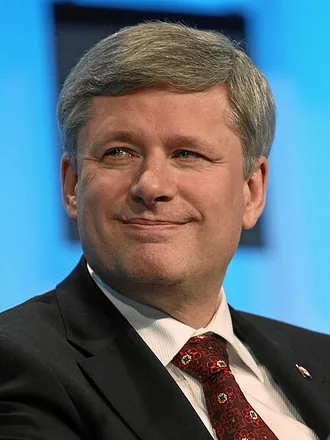
Stephen Harper (Alberta (AB))
Conservative
|
C$15,000,000
CAD
|
| #5 |
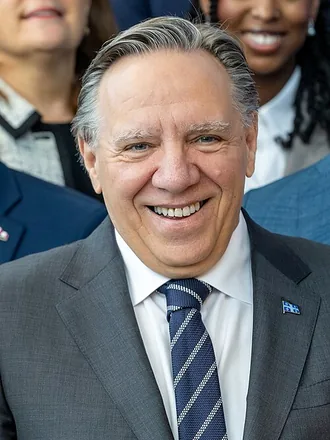
Coalition Avenir Québec
|
C$12,000,000
CAD
|
| #6 |
Justin Trudeau (Quebec (QC))
Liberal
|
C$10,000,000
CAD
|
| #7 |
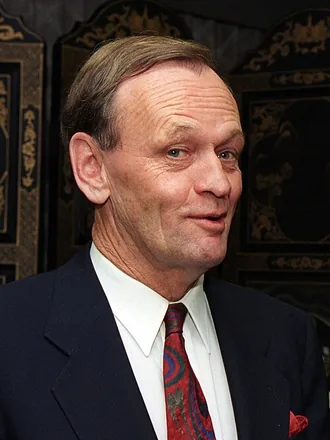
Jean Chrétien (Quebec (QC))
Liberal
|
C$10,000,000
CAD
|
| #8 |
C$6,500,000
CAD
|
Can you deduce today's mystery lawmaker?
Every day, Worthle features a new mystery politician. Unlock clues about their salary, investments, and disclosed net worth to guess their identity and discover how public leaders build wealth.
Frequently Asked Questions: Justin Trudeau's Net Worth
What is Justin Trudeau's net worth in 2026?
Justin Trudeau has an estimated net worth of C$10,000,000 (~C$10.0 Million), ranking #6 in Canadian politics. His wealth originates from an inheritance trust established by his father, former Prime Minister Pierre Elliott Trudeau, Montreal real estate equity, paid speaking fees prior to office, and 18 years of parliamentary salary and pension accruals.
What was Justin Trudeau's official salary as Prime Minister?
As Prime Minister, Justin Trudeau earned an annual statutory compensation of C$406,200. This was composed of the standard Canadian MP base salary of C$203,100 plus an equal Prime Minister sessional allowance of C$203,100 set under the Parliament of Canada Act.
How did Justin Trudeau make his money before politics?
Before entering politics in 2008, Trudeau worked as a secondary school teacher in Vancouver teaching French and math, served as chair of Katimavik youth non-profit, and earned substantial professional speaking fees on the Canadian lecture circuit.
What assets are listed in Justin Trudeau's ethics disclosures?
Under the Conflict of Interest Act, public filings report shares in family holding corporation 762-3760 Canada Inc. held in a blind management agreement, residential real estate in Montreal, and diversified index portfolios with no direct corporate board seats.
Explore More Canada Lawmaker Wealth Dossiers
View All →

Explore the Full Legislative Wealth Rankings
Discover how other prominent leaders compare across the national proximity index.