


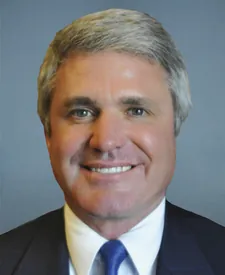
 Republican
Michael McCaul
Rank #20Representative for Texas's 10th Congressional District since 2005 and Chairman of the House Foreign Affairs Committee. Former federal counterterrorism prosecutor and Deputy Attorney General of Texas, McCaul ranks as one of Capitol Hill's wealthiest lawmakers through generational media broadcasting equity and tech trusts.
~$130.0M House Committee on Ethics (Form OGE-278)
Statutory congressional salary since 2009
7 centuries of congressional compensation
674× median American family net worth
Where Michael McCaul Stands: Core Political Positions
Key legislative priorities and core political philosophy across major policy domains:
- • Foundational Author: Co-authored and passed the historic $52 billion CHIPS and Science Act, incentivizing Samsung, TI, and global chip foundries to build mega-fabs in Central Texas.
- • Export Control Enforcement: Leads aggressive House Foreign Affairs oversight of Commerce Department export controls to deny advanced lithography tools to foreign adversaries.
Secures critical semiconductor hardware supply chains and anchors tens of thousands of Texas high-tech manufacturing jobs.
Fiscal conservatives voiced skepticism over billions in federal corporate industrial subsidies.
- • Taiwan Defense Accords: Chaired congressional delegations to Taipei, authoring the Taiwan International Solidarity Act and expediting foreign military sales deliveries.
- • AUKUS Support: Championed statutory defense trade exemptions for Britain and Australia to accelerate joint nuclear attack submarine production under AUKUS.
Projects decisive American diplomatic deterrence and safeguards freedom of navigation in the Taiwan Strait.
Non-interventionist factions favor curtailing overseas defense transfers to prioritize domestic border security.
- • CISA Establishment: As former Homeland Security Committee Chairman, authored the legislation that formally established the Cybersecurity and Infrastructure Security Agency (CISA).
- • Border Technology Deployments: Advocates deploying non-intrusive AI radar towers and autonomous surveillance software along the southern border corridor.
Modernizes civilian critical infrastructure defense against sophisticated nation-state ransomware attacks.
Civil liberties organizations caution against expanding automated surveillance monitoring technology.
- • Unfreezing LNG Approvals: Led House legislation to overturn federal pauses on new liquefied natural gas (LNG) export licenses along the Texas Gulf Coast.
- • Permian Basin Infrastructure: Champions federal pipeline permitting streamlining to connect West Texas oil and gas production to European energy markets.
Replaces hostile authoritarian energy supplies with clean, American-produced liquefied natural gas.
Environmental groups argue increased export terminal construction locks in long-term fossil fuel emissions.
Disclosed Asset Portfolio Breakdown
High-level asset allocation compiled from official public financial disclosure filings (House Committee on Ethics (Form OGE-278)):
Clear Channel (iHeartMedia) Family Equity
Substantial foundational wealth originating from spouse Linda Mays McCaul, daughter of Clear Channel Communications founder L. Lowry Mays, held across diversified family limited partnerships.
Multi-Generational Investment Trusts
Extensive family trust holdings invested in blue-chip equities, private equity buyout funds, healthcare venture assets, and sovereign treasury bills filed under Form OGE-278.
Austin Lakefront Estate & Hill Country Land
Substantial private real estate equity including an expansive luxury waterfront estate in Austin, Texas, alongside Hill Country recreational ranch acreage.
Tax-Exempt Municipal Securities
Conservative holdings of municipal bonds, sovereign liquid cash accounts, and institutional money market deposits yielding regular tax-advantaged income.
The STOCK Act & The Congressional Trading Controversy
Why do congressional wealth disclosures and stock portfolios make global headlines? The answer lies at the intersection of constitutional ethics, insider access, and a federal law known as the STOCK Act.
What the Law Requires
Signed by President Obama, the Stop Trading on Congressional Knowledge Act made it explicitly illegal for lawmakers to profit from non-public information learned on the job, mandating public disclosure of all stock trades over $1,000 within 45 days.
Why Critics Cry Foul
Lawmakers receive classified intelligence briefings, direct testimony from CEOs, and advance notice of regulatory subsidies. Retail traders argue sitting members of Congress possess an unfair structural advantage in capital markets.
Blind Trusts vs. Banning Stocks
Public outcry over timely stock trades has spurred bipartisan support for proposals like the ETHICS Act, seeking to legally ban all sitting members of Congress and spouses from owning or trading individual equities while holding federal office.
Can Politicians Pocket Campaign Donations? Understanding FEC Law
A widespread public misconception is that politicians get rich from campaign contributions. Federal election law strictly separates political campaign warchests from personal household bank accounts.
~$130.0M Disclosed Personal Wealth
Earned through private business enterprise, executive compensation, real estate appreciation, and market investments. Every dollar is subject to personal federal, state, and capital gains taxes.
Regulated Political Committee Funds
Official campaign funds raised from donors to finance advertising, field staff, and voter turnout operations. Regulated under strict Federal Election Commission guidelines.
The District Dilemma: Bridging Austin's Tech Corridor with Rural Prairie Counties
Texas's 10th District stretches from the high-tech urban suburbs of Austin (Travis and Williamson counties) across rural agricultural prairie counties eastward toward Katy and Greater Houston.
Home to major tech corporate campuses, semiconductor design houses, and advanced tech manufacturing requiring reliable electrical grid infrastructure.
Centred on family cattle ranching, cotton farming, and independent retail businesses acutely focused on property tax relief and federal diesel fuel costs.
Key Milestones: Michael McCaul's Political Career
Chronological milestones across public office and private enterprise:
Federal Counterterrorism Prosecutor
Serves as Chief of Counterterrorism and National Security in the U.S. Attorney's Office for the Western District of Texas, leading high-profile federal prosecutions.
Deputy Attorney General of Texas
Appointed Deputy Attorney General of Texas by John Cornyn, directing statewide law enforcement and criminal justice divisions.
Elected to the 109th Congress
Wins election to represent Texas's 10th Congressional District, establishing himself as a national security and border technology authority.
Chairman of Homeland Security Committee
Named Chairman of the House Committee on Homeland Security, serving three terms and authoring the Cybersecurity and Infrastructure Security Agency Act.
Foreign Affairs Ranking Member
Becomes top Republican on the House Foreign Affairs Committee, leading the congressional response to global strategic competition.
Authored the CHIPS and Science Act
Passes the landmark $52B CHIPS Act into law, sparking hundreds of billions in domestic semiconductor manufacturing commitments.
Chairman of House Foreign Affairs
Assumes the gavel of the House Committee on Foreign Affairs in the 118th Congress, directing oversight of international treaties and defense alliances.
Re-Elected to Eleventh Term
Wins re-election to the 119th Congress, maintaining his position as Congress's premier voice on defense technology and semiconductor reshoring.
How Does Michael McCaul Compare to Other Wealthy Leaders?
Michael McCaul sits at rank #20 in the 119th Congress, directly flanked by closest wealth peers across the legislature. View full United States leaderboard
| Rank | Lawmaker | Disclosed Net Worth |
|---|---|---|
| #18 |
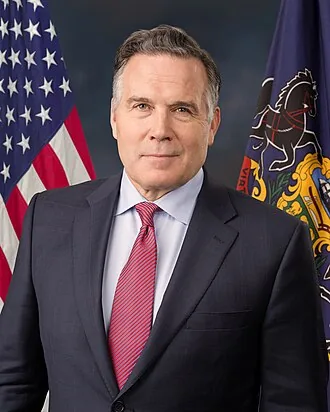
Dave McCormick (Pennsylvania (PA))
Republican
|
$170,000,000
USD
|
| #19 |
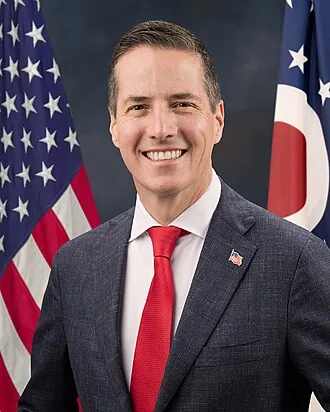
Republican
|
$157,000,000
USD
|
| #20 |
Michael T. McCaul (TX-10)
Republican
|
$130,000,000
USD
|
| #21 |
Republican
|
$118,583,000
USD
|
| #22 |
Republican
|
$105,000,000
USD
|
Can you deduce today's mystery lawmaker?
Every day, Worthle features a new mystery politician. Unlock clues about their salary, investments, and disclosed net worth to guess their identity and discover how public leaders build wealth.
Frequently Asked Questions: Michael McCaul's Net Worth
What is Michael McCaul's net worth in 2026?
Michael McCaul has an estimated net worth of $130,000,000 (~$130.0 Million), ranking him #20 in the U.S. Congress. While McCaul earned a steady salary as a federal prosecutor and lawmaker, the vast majority of his family's wealth stems from his wife Linda Mays McCaul, daughter of Clear Channel Communications founder L. Lowry Mays, through generational broadcast media equity and diversified family investment trusts.
What is Michael McCaul's salary as a Member of Congress?
As a member of the U.S. House of Representatives, Michael McCaul receives the standard statutory base salary of $174,000 per year, which has remained frozen by Congress since 2009.
How did Michael McCaul make his money?
Michael McCaul's wealth is largely derived through marriage to Linda Mays McCaul. Linda's father founded Clear Channel Communications (now iHeartMedia), building it into one of the largest radio and outdoor advertising companies in the world, generating substantial dividends and capital gains held across family limited partnerships.
What assets are disclosed in Michael McCaul's ethics filings?
Under the Ethics in Government Act, Form OGE-278 filings detail extensive family trusts holding shares in major technology firms, healthcare equities, Clear Channel partnerships, municipal bonds, and luxury lakefront real estate in Austin, Texas.
Explore More United States Lawmaker Wealth Dossiers
View All →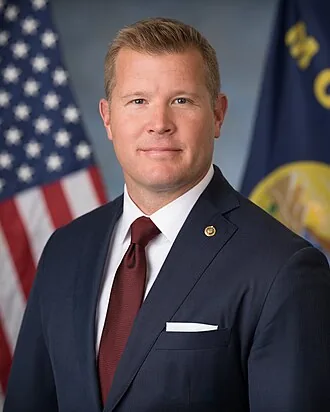
Explore the Full Legislative Wealth Rankings
Discover how other prominent leaders compare across the national proximity index.