


 Reform UK
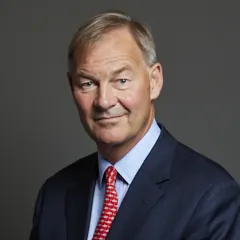
Rupert Lowe
Rank #8Member of Parliament for Great Yarmouth since 2024 and business figure for Reform UK. Former City of London financial broker at Morgan Grenfell, long-serving chairman of Southampton Football Club (1996–2006, 2008–2009) who oversaw the club's move to St Mary's Stadium, and Member of the European Parliament for the West Midlands (2019–2020).
~£3.9M Register of Members' Financial Interests (IPSA)
Base MP statutory pay set independently by IPSA
43 years of backbench MP compensation
13× median UK household net worth
Where Rupert Lowe Stands: Core Political Positions
Key legislative priorities and core political philosophy across major policy domains:
- • Stopping Illegal Crossings: Advocates deploying the Royal Navy to turn back unauthorized small boats in the English Channel and leaving the European Convention on Human Rights (ECHR).
- • Net Zero Migration Cap: Proposes capping legal net migration to preserve housing availability, NHS capacity, and wage growth for domestic workers.
Resonates strongly with coastal working-class voters frustrated by uncontrolled immigration pressures.
Legal scholars and human rights advocates warn leaving the ECHR would undermine Britain's international treaty standing.
- • Lifting VAT Threshold: Champions raising the VAT registration threshold for small businesses to £150,000 to eliminate a punitive barrier to entrepreneurship.
- • Scrapping Net Zero Levies: Calls for abolishing green energy levies on household and industrial electricity bills to restore manufacturing competitiveness.
Brings private sector business discipline to Parliament and directly lowers overhead for independent trades.
Rolling back green subsidies risks stalling vital renewable energy transition targets.
- • Great Yarmouth Enterprise Zone: Promotes maximizing the benefits of the Outer Harbour and regional Freeport status to attract high-tech offshore energy servicing jobs.
- • High Street Revitalization: Calls for reforming commercial business rates to protect traditional seaside retail and hospitality businesses from seasonal collapse.
Targets long-overdue capital investment into historically neglected seaside industrial ports.
Freeport tax exemptions can risk diverting existing business activity rather than creating net new regional output.
- • QUANGO Elimination: Demands aggressive cuts to unelected advisory bodies and quangos, returning budgetary authority to accountable ministers.
- • Ending Diversity Bureaucracy: Introduced parliamentary motions to eliminate taxpayer-funded Diversity, Equity, and Inclusion (DEI) roles across central Whitehall departments.
Trims wasteful bureaucratic overhead and focuses public sector workers on core frontline services.
Civil service unions argue equity and inclusion programs are essential for modern workplace compliance.
Disclosed Asset Portfolio Breakdown
High-level asset allocation compiled from official public financial disclosure filings (Register of Members' Financial Interests (IPSA)):
Financial Brokerage & Board Directorships
Substantial private capital accumulated during decades as a City of London financial broker with Morgan Grenfell, Barings, and executive directorships across public and private commercial entities.
Southampton FC Management Proceeds
Historic executive compensation and commercial proceeds from serving as Chairman of Southampton Leisure Holdings plc (Southampton Football Club) for over a decade, overseeing the construction of the £32M St Mary's Stadium.
Norfolk & Gloucestershire Agricultural Property
Extensive countryside real estate including agricultural farmland in the Cotswolds and residential property in Norfolk.
Public Equities & Sterling Deposits
Diversified commercial equity holdings, private company shares, and liquid sterling cash accounts registered with the Parliamentary Commissioner for Standards.
The Register of Members' Financial Interests & Parliamentary Ethics
How do British MPs disclose their external earnings, consultancy fees, and private investments? The framework is anchored by the House of Commons Register of Members' Financial Interests and the historic Nolan Principles.
Statutory Transparency Rules
Established under parliamentary resolutions, MPs must register all paid directorships, outside employment, gifts, real estate properties valued over £100,000, and corporate shareholdings exceeding 15% within 28 days of receipt.
Outside Incomes vs Public Service
Unlike American lawmakers who face strict outside earned income caps ($31,815 limit), British MPs may practice as barristers, consultants, or broadcasters, igniting periodic national debates over whether parliamentary representation receives their full-time focus.
The 2009 Expenses Reckoning
Following the 2009 parliamentary expenses scandal, setting MP salaries and auditing office allowances was stripped from politicians and transferred to the independent Independent Parliamentary Standards Authority (IPSA), creating strict criminal penalties for false claims.
Do MPs Pocket Campaign Cash? Understanding IPSA & Electoral Law
A common public assumption is that British politicians enrich themselves through party political donations. UK electoral law strictly isolates parliamentary allowances from private bank accounts.
~£3.9M Disclosed Personal Wealth
Derived from prior commercial careers, private business equity, property appreciation, and statutory MP salaries. Subject to standard HM Revenue & Customs income and capital gains taxes.
Electoral Commission & IPSA Funding
Public expense budgets allocated exclusively for constituency staff salaries, office rent, and travel. Regulated by the independent Independent Parliamentary Standards Authority (IPSA).
The Constituency Dilemma: Re-energizing a Historic Coastal Port Amid Seasonal Hardship
Great Yarmouth is a storied Norfolk coastal port and seaside resort town, blending offshore oil, gas, and renewable wind engineering in its Outer Harbour with tourism and significant indices of urban deprivation.
A vital base for Southern North Sea gas fields and giant offshore wind arrays, driving high-wage engineering and marine logistics.
Seasonal hospitality businesses face rising utility costs, while local residents experience higher-than-average unemployment and acute housing demand.
Key Milestones: Rupert Lowe's Political Career
Chronological milestones across public office and private enterprise:
Financial Broker in the City of London
Begins his career in London's financial district, working as a commodities and money broker with Morgan Grenfell and Barings.
Chairman of Southampton FC
Takes over as Chairman of Southampton Football Club, guiding the Premier League club through a decade of financial modernization.
Built St Mary's Stadium
Oversees the financing and construction of Southampton's modern £32 million 32,000-seat St Mary's Stadium, moving the club from The Dell.
FA Cup Final & European Qualification
Southampton reaches the FA Cup Final at the Millennium Stadium and qualifies for the UEFA Cup under his executive leadership.
Elected Member of the European Parliament
Elected to the European Parliament for the West Midlands as a candidate for the Brexit Party, serving until Britain's formal departure.
Elected MP for Great Yarmouth
Wins Great Yarmouth for Reform UK at the general election, defeating both the Conservative and Labour parties in a historic coastal breakthrough.
Business & Deregulation Champion
Emerges as Reform UK's leading parliamentary voice on economic deregulation, small business tax relief, and civil service reform.
Promoting Outer Harbour Freeports
Champions federal infrastructure investment to position Great Yarmouth as Britain's premier North Sea offshore wind engineering port.
How Does Rupert Lowe Compare to Other Wealthy Leaders?
Rupert Lowe sits at rank #8 in the House of Commons, directly flanked by closest wealth peers across the legislature. View full United Kingdom leaderboard
| Rank | Lawmaker | Disclosed Net Worth |
|---|---|---|
| #6 |
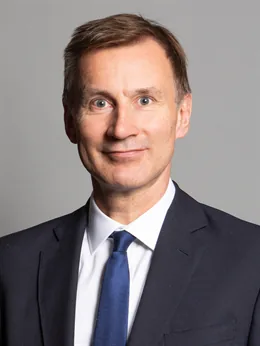
Conservative
|
£18,000,000
GBP
|
| #7 |
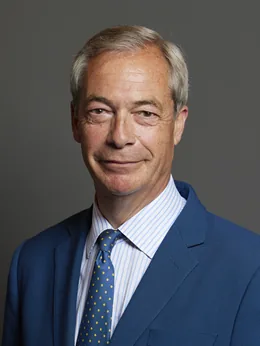
Nigel Farage (Clacton (UK))
Reform UK
|
£4,200,000
GBP
|
| #8 |
Rupert Lowe (Great Yarmouth (UK))
Restore Britain
|
£3,920,000
GBP
|
| #9 |
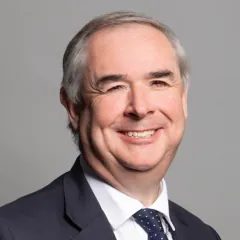
Conservative
|
£3,535,000
GBP
|
| #10 |
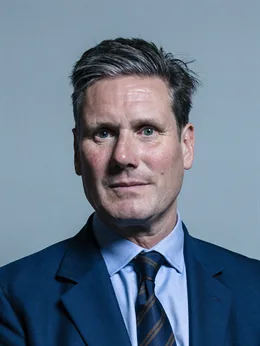
Keir Starmer (London (UK))
Labour
|
£3,500,000
GBP
|
Can you deduce today's mystery lawmaker?
Every day, Worthle features a new mystery politician. Unlock clues about their salary, investments, and disclosed net worth to guess their identity and discover how public leaders build wealth.
Frequently Asked Questions: Rupert Lowe's Net Worth
What is Rupert Lowe's net worth in 2026?
Rupert Lowe has an estimated net worth of £3,920,000 (~£3.9 Million), ranking #8 in the UK Parliament. His wealth stems from his career in City of London financial broking, executive compensation and shares from his long tenure as Chairman of Southampton Football Club, and agricultural farmland and residential real estate holdings.
What football club did Rupert Lowe run?
Rupert Lowe was the long-serving Chairman of Premier League club Southampton Football Club from 1996 to 2006, and again from 2008 to 2009. During his tenure, he famously spearheaded the construction and delivery of the club's modern £32 million St Mary's Stadium.
What is Rupert Lowe's salary as a Member of Parliament?
As a Member of Parliament representing Great Yarmouth, Rupert Lowe receives the standard statutory base salary of £91,346 per year set independently by the Independent Parliamentary Standards Authority (IPSA).
What assets does Rupert Lowe declare in his parliamentary filings?
Under the Register of Members' Financial Interests, Lowe declares farmland in Gloucestershire, residential property in Norfolk, corporate directorships in commercial ventures, and standard PCPF pension rights with no unauthorized consulting contracts.
Explore More United Kingdom Lawmaker Wealth Dossiers
View All →

Explore the Full Legislative Wealth Rankings
Discover how other prominent leaders compare across the national proximity index.